


Home Cinema Projector vs TV: The Ultimate 2026 Comparison for South African Homes
August 14, 2026
The Ultimate Guide to Bose Noise Cancellation Headphones in 2026
August 16, 2026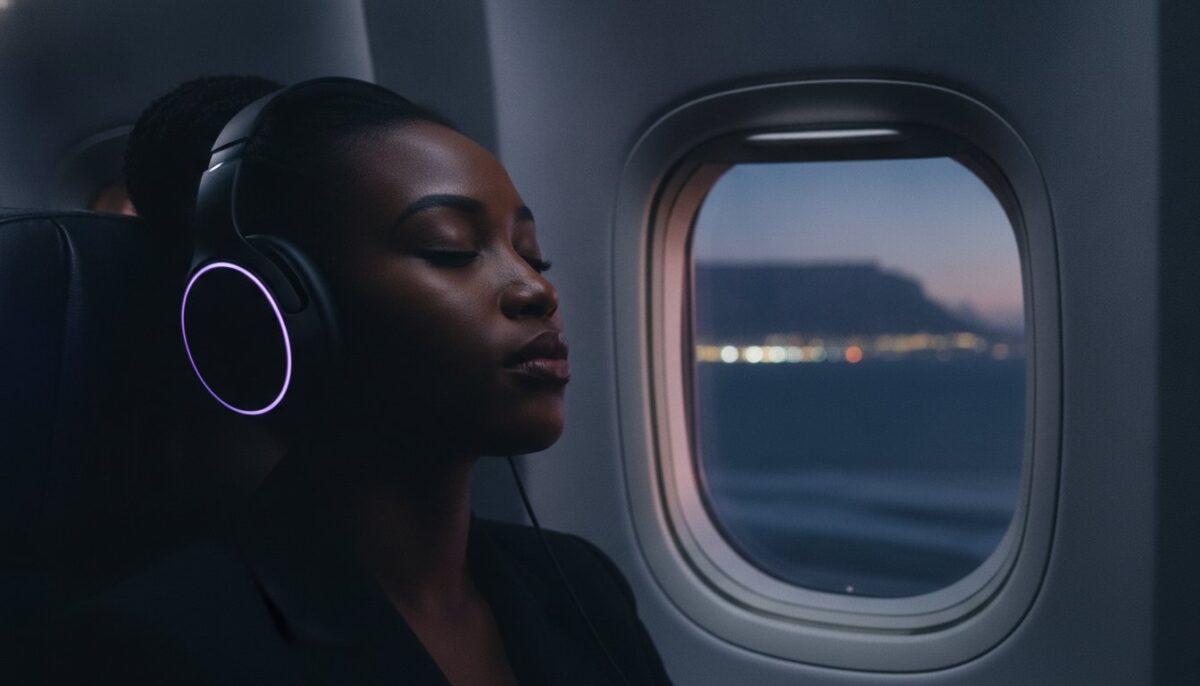
Imagine settling into a ten-hour flight only to find the relentless hum of the jet engines is already triggering a tension headache. You know that feeling of deep exhaustion that hits before you’ve even reached your hotel. Constant ambient noise isn’t just a nuisance; it’s a primary cause of travel fatigue that can drain your energy. Finding the best noise cancelling headphones for travel is no longer a luxury. It’s a vital tool for your physical and mental well-being whilst in transit.
We understand that you want more than just silence. You deserve high-fidelity audio for your favourite films and ear cups that remain comfortable through every time zone. This comprehensive guide helps you master the art of silent travel by selecting the right technology for your lifestyle. We’ll explore the class-leading Bose QuietComfort Ultra range and explain how to keep your gear in peak condition. From choosing between new and pre-loved models to understanding professional repair options, you’ll learn exactly how to secure a peaceful travel environment for years to come.
Key Takeaways
- Understand the science behind Active Noise Cancellation and how it effectively neutralises low-frequency jet engine drone.
- Use our expert checklist to select the perfect noise cancelling headphones for travel, ensuring your choice balances portability with high-fidelity performance.
- Identify the critical ergonomic factors, such as clamping force and cushion material, that prevent physical fatigue during extended long-haul flights.
- Learn how to maximise battery life across multiple time zones and implement simple cleaning routines to protect your audio investment for years.
Understanding Noise Cancelling Technology for Modern Travel
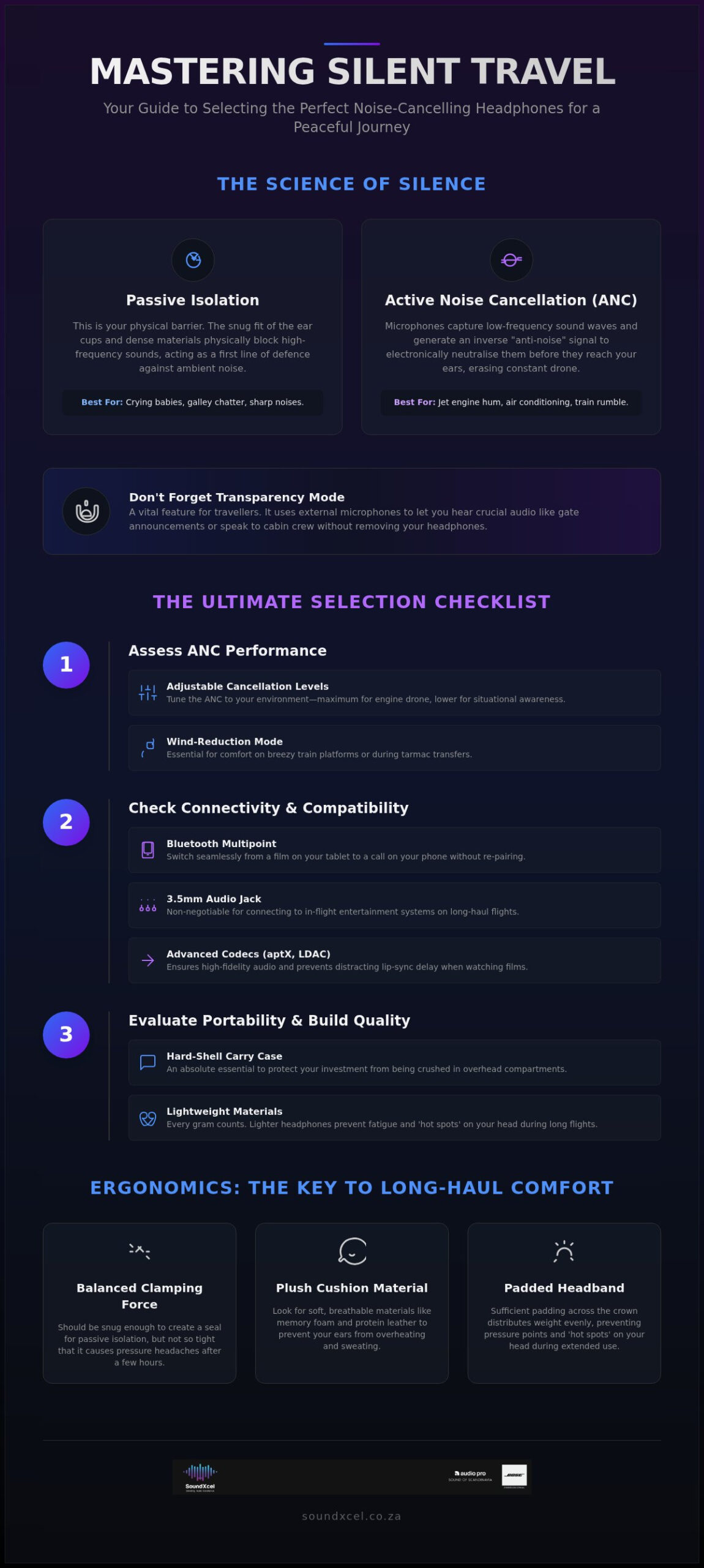
Modern air travel presents a unique acoustic challenge. The constant low-frequency drone of jet engines, combined with the high-pitched hiss of air conditioning, creates a wall of sound that taxes the brain. This persistent noise is more than a nuisance; it’s a primary driver of travel fatigue. High-quality noise cancelling headphones for travel address this by using sophisticated electronic circuitry to monitor and neutralise ambient sound.
The History of noise-cancelling headphones reveals a technology originally designed for pilots to protect their hearing. External microphones on your headset constantly listen to the environment. They detect incoming sound waves and instantly generate an inverted “anti-noise” signal. This process eliminates the “ear bash” sensation, the physical soreness caused by hours of exposure to cabin hum. By removing these stressors, you allow your nervous system to rest during transit.
Active vs Passive: Why you need both
Effective silence requires a dual-layered approach. Passive isolation is your physical barrier. It relies on the seal of the ear cups and the density of internal materials to block high-frequency sounds like crying babies or galley chatter. Active Noise Cancellation (ANC) focuses on the low-end frequencies that physical barriers can’t stop. A snug fit is essential here. If the seal around your ear is broken, the ANC system cannot maintain the internal pressure needed to cancel sound waves effectively. You need both to create a truly private sanctuary.
The “Transparency Mode” essential for airports
Navigating a busy terminal requires constant awareness. Transparency mode is a vital feature that allows you to hear your surroundings without removing your headphones. It uses the built-in microphones to pipe in external audio, such as gate announcements or security directions. This technology blends your audio with the ambient environment seamlessly. It’s particularly useful whilst moving through security or ordering a coffee before your flight. Modern noise cancelling headphones for travel ensure you stay informed and safe without sacrificing your acoustic comfort.
The Ultimate Travel Headphone Selection Checklist
Selecting the right pair involves more than just reading a spec sheet. Your travel habits dictate your requirements. A daily rail commuter needs different features than a frequent long-haul flyer. Choosing the right noise cancelling headphones for travel requires a methodical approach to ensure the product matches your specific itinerary. Start by identifying your primary mode of transport. Air travel demands maximum isolation, whereas coach travel might require better awareness modes for stop announcements.
Control interfaces are equally important. Physical buttons provide tactile feedback that touch-sensitive panels often lack. This is crucial when you’re in a cramped cabin seat or wearing gloves. If you’re unsure which interface suits your lifestyle, browsing the latest Bose travel audio range can help you narrow down the options.
Step 1: Assessing ANC Performance
Not all cancellation is equal. Premium models offer adjustable levels of noise cancellation. This allows you to tune out the jet engine whilst remaining alert to cabin crew. Understanding how active noise cancellation works helps you realise why high-frequency sounds, like a sharp cry, are harder to mask than steady drones. Look for dedicated “wind-reduction” modes if you frequently wait on breezy train platforms. Premium noise cancelling headphones for travel often include multiple microphones to better isolate your voice during calls in noisy terminals. For a comprehensive breakdown of the full product lineup and proprietary signal processing, our ultimate guide to Bose noise cancellation headphones in 2026 provides an in-depth comparison of every flagship model.
Step 2: Connectivity and In-Flight Compatibility
Wireless freedom is the standard, but a 3.5mm jack remains non-negotiable for aircraft entertainment systems. Bluetooth Multipoint is another essential feature for the modern traveller. It lets you switch from a film on your tablet to an incoming call on your phone without fumbling with Bluetooth menus. For video lovers, ensure your choice supports advanced codecs like aptX. This prevents distracting lip-sync delays during long-haul movies.
Step 3: Portability and Build Quality
Space is a premium in carry-on luggage. Folding designs are compact and easy to stow. However, rigid headbands often offer superior long-term durability by reducing moving parts. Always insist on a hard-shell carry case to protect your investment from being crushed in overhead bins. Weight is the final critical factor. Even a few extra grams can cause “hot spots” on the crown of your head after several hours of wear. Look for lightweight materials that don’t compromise on structural integrity.
Comfort and Ergonomics for Long-Haul Journeys
Clamping force is often overlooked until you’re four hours into a flight. If the tension is too high, you’ll experience physical fatigue and “hot spots” on the crown of your head. If it’s too low, you lose the acoustic seal required for the best noise cancelling headphones for travel. Premium designs balance this tension to ensure the headset stays secure without causing discomfort. This balance allows the weight to be distributed evenly across the headband rather than pressing solely on your ears.
Material choice is the next pillar of ergonomics. Modern protein leather offers a sophisticated feel and excellent durability whilst resisting sweat and oils. This is why premium noise cancelling headphones for travel often use high-density memory foam beneath the leather to contour to your unique facial structure. This creates a bespoke seal that enhances isolation. Whilst heat buildup can occur during extended listening sessions, professional-grade designs incorporate breathable layers to help manage temperature.
Over-Ear vs In-Ear: The Travel Debate
Choosing between styles often comes down to your sleeping habits. Over-ear models provide total immersion and superior padding. For a deeper look at the current industry leader, read our Bose QuietComfort Ultra review South Africa. These are ideal for those who want to disconnect entirely from the cabin environment. Conversely, if you prefer to stay aware of your surroundings or want something less bulky, the Bose Ultra Open Earbuds offer a revolutionary open-ear design. This style is perfect for travellers who find traditional earbuds intrusive or uncomfortable during long journeys.
Adjustability for different head shapes
A one-size-fits-all approach rarely works for long-haul comfort. Look for telescopic arms that offer precise adjustments and swivelling ear cups that sit flat against your chest when not in use. If you wear glasses, the flexibility of the cushion is vital. It must mould around the frames to maintain the noise seal without pressing the arms into your temples. Additionally, ensure the headband is slim enough to work with your favourite travel pillow. A bulky headband can push your head forward; this causes neck strain that can ruin your first day at your destination.
Battery Life and Connectivity: Staying Powered Across Time Zones
Reliable power is the backbone of any long-distance journey. Whilst many noise cancelling headphones for travel boast impressive stamina, real-world usage often tells a different story. Activating advanced features like spatial audio or high-gain ANC increases the processing load. This drains the battery significantly faster than standard listening modes. You should anticipate a reduction in total runtime when these premium immersive modes are constantly engaged during a long-haul flight.
Smart power management saves your journey from total silence. An “Auto-Off” timer is a non-negotiable feature for the frequent flyer. It detects when you’ve removed the headset and powers down the internal circuitry to prevent accidental drain whilst stowed in your carry-on luggage. If you do find yourself with a flat battery, a dedicated wired mode serves as a vital backup. Connecting via a 3.5mm cable allows you to continue using aircraft entertainment systems without needing active power. To ensure your gear remains flight-ready for years, consider professional maintenance from a Bose repair centre if you notice a drop in battery efficiency over time.
Managing Power on the Go
Maximise your uptime with strategic charging habits. Modern quick-charge technology can provide 3 hours of playback from just 15 minutes of charging. This is a lifesaver during short layovers or whilst waiting at the boarding gate. When selecting a power bank, verify it supports Power Delivery (PD) to ensure compatibility with modern high-speed charging circuits. In 2026, the standard for fast charging is defined as gaining at least 3 hours of active playback from a 12-minute charge using a 20W PD-compliant source.
Software and App Integration
Your smartphone app acts as a sophisticated control centre for your audio experience. Use it to customise EQ profiles that enhance film dialogue or provide a richer soundstage for music. Regular firmware updates are equally vital for maintaining peak performance. Manufacturers frequently release patches that refine ANC algorithms, allowing your headset to better adapt to new types of ambient noise. Integrated “Find My” features offer an additional layer of security. These tools allow you to track your headphones across busy terminals, ensuring your investment stays safe throughout your travels.
Protecting and Maintaining Your Audio Investment
High-quality noise cancelling headphones for travel are designed to endure years of transit, but their longevity depends on consistent care. Routine cleaning is essential. After every long-haul journey, use a soft, slightly damp cloth to wipe the ear cushions. This simple habit prevents body oils and sweat from degrading the protein leather over time. Proper storage is equally critical. Always use the provided hard-shell case to prevent unnecessary stress on the hinges and internal wiring whilst the headset is stowed in your luggage.
Ear cushions are wear-and-tear items that eventually lose their elasticity. Replacing them every few years is the most effective way to restore that “out-of-the-box” comfort and maintain the airtight acoustic seal required for peak ANC. Whilst small parts are user-replaceable, avoid DIY attempts on internal components. Premium audio gear uses delicate sensors and microphones that require expert handling to preserve the integrity of the noise-cancelling system. Professional maintenance ensures your investment continues to provide a silent sanctuary for many years to come.
Professional Bose Repairs in South Africa
Maintaining the peak performance of your audio gear requires expert attention. Utilising a specialised Bose sound system repair centre ensures that complex internal components are handled with precision. Common issues like battery degradation or damaged charging ports are easily resolved by technicians who understand the specific architecture of the QuietComfort Ultra range. Choosing professional repairs over a replacement significantly extends the lifespan of your device and ensures the sophisticated ANC algorithms continue to function as intended.
The Value of Certified Pre-Loved Equipment
Sustainability is a growing priority for the modern traveller. Opting for certified pre-loved Bose equipment is an excellent way to access world-class noise cancelling headphones for travel at a more accessible price point. We take a rigorous approach to certifying used hardware, ensuring every component meets original factory standards before it reaches your hands. This methodical refurbishment process provides a reliable path to premium audio whilst reducing electronic waste. Repairing and reusing high-end technology makes sense for both your budget and the environment, allowing you to enjoy sophisticated luxury without the full retail cost.
Elevate Your Next Journey with Silent Perfection
Mastering the art of silent travel transforms every journey from a taxing chore into a restorative experience. You now understand how to balance advanced ANC technology with the ergonomics required for long-haul comfort. By prioritising high-quality materials and following a consistent maintenance routine, you ensure your equipment remains a reliable companion for many years. Silence is no longer a luxury; it’s a vital component of your travel well-being.
Selecting the perfect noise cancelling headphones for travel is an investment in your long-term comfort. SoundXcel serves as a specialised Bose repair centre and authorised retailer, providing national delivery across South Africa. We help you navigate the intersection of luxury and functionality whilst ensuring your gear stays in peak condition. Whether you’re seeking the latest flagship models or exploring certified pre-loved options, our expert guidance ensures you make the right choice for your lifestyle.
Browse our curated range of Bose travel headphones to begin your journey toward total acoustic freedom. Prepare to rediscover your favourite music and films in a sanctuary of your own making. Safe travels and enjoy the silence.
Frequently Asked Questions
Can I use noise cancelling headphones without playing music?
Yes, you can use noise cancelling headphones for travel without playing any audio. Simply power on the device and activate the ANC feature to create a “silent mode” that neutralises cabin drone. This is an excellent way to rest or concentrate during long journeys without the distraction of music. Most premium models allow you to adjust the level of silence to suit your environment.
Are noise cancelling headphones safe for my hearing on long flights?
Noise cancelling headphones are actually safer for your hearing during long flights. By neutralising the constant roar of jet engines, they allow you to listen to movies or music at much lower, safer volumes. You don’t have to compete with ambient noise, which prevents the ear fatigue and potential hearing damage associated with high-volume listening in loud environments.
Do noise cancelling headphones work for high-pitched sounds like voices?
Active technology is most effective against low-frequency drones, such as engine hum or air conditioning. High-pitched sounds like human voices or a baby crying are more difficult to cancel electronically. These sounds are primarily blocked by passive isolation, which depends on the physical seal and material density of your ear cushions. A snug, high-quality fit is essential for managing these unpredictable frequencies.
How do I connect my wireless headphones to the aeroplane screen?
You can connect your wireless headset to the in-flight entertainment system using a 3.5mm audio cable or a portable Bluetooth transmitter. Most aircraft still rely on physical jacks, so keeping a cable in your carry-on is vital. Some modern planes now support direct Bluetooth pairing, but a wired connection remains the most reliable way to avoid latency issues whilst watching films.
What is the difference between ANC and ENC in headphones?
ANC and ENC serve different purposes for the traveller. Active Noise Cancellation (ANC) uses internal circuitry to silence the world for your benefit. Environmental Noise Cancellation (ENC) focuses on the microphones, filtering out background noise so the person on the other end of a call can hear you clearly. For a peaceful travel environment, ANC is the technology that matters most to your comfort.
Can I use noise cancelling headphones whilst they are charging?
Most premium over-ear headphones don’t allow you to use ANC or Bluetooth whilst they are actively charging. This is a design choice to ensure user safety and protect the internal battery circuits. However, many models offer a quick-charge feature that provides several hours of playback from a ten-minute charge. This ensures you are never without silence for long during your journey.
Are Bose headphones better than Sony for travel in 2026?
In 2026, Bose remains the industry benchmark for travellers who prioritise consistent ANC performance and long-haul ergonomics. Whilst other brands offer competitive features, the Bose noise cancellation headphones in the QuietComfort Ultra range are specifically engineered for the unique acoustic challenges of air travel. The focus on lightweight materials and superior “clamping force” balance makes them a more reliable choice for flights exceeding eight hours.
How often should I replace the ear cushions on my travel headphones?
You should typically replace your ear cushions every 18 to 24 months. Over time, the protein leather and memory foam lose their shape and seal due to contact with skin oils and sweat. If you notice the noise cancelling headphones for travel feel less effective or the cushions look flattened, it’s time for a refresh. New cushions are a cost-effective way to restore the original performance of your headset.
